Signs Your Basement or Foundation Needs Waterproofing
Noticing signs your basement or foundation needs waterproofing can help local contractors prevent water damage and structural issues effectively.
Understanding the signs that your basement or foundation may need waterproofing is an important step for property owners in the area. Water intrusion or damage can lead to structural issues, mold growth, and costly repairs if left unaddressed. Recognizing early warning signs-such as damp or musty odors, visible water stains, or cracking walls-can help homeowners take timely action. Local contractors who specialize in basement and foundation waterproofing are equipped to assess these issues and recommend effective solutions, providing peace of mind for those concerned about their property’s integrity.
Exploring these signs is especially relevant for property owners facing heavy rainfall, fluctuating ground moisture, or aging structures. Addressing potential waterproofing needs early can prevent more serious problems down the line, saving money and reducing stress. By learning to identify the common indicators, homeowners can better understand when professional services are needed. Local service providers who focus on waterproofing can offer tailored assistance, ensuring basements and foundations stay dry and stable for years to come. Keep reading to discover what to look for and how local experts can help safeguard your property.
- Basement waterproofing - is often needed when signs of water seepage or dampness appear on basement walls, prompting local contractors to assess and implement effective waterproofing solutions.
- Foundation waterproofing - becomes necessary when cracks or efflorescence are visible, with service providers typically inspecting and applying barriers to prevent future moisture intrusion.
- Basement sealing - may be required if persistent odors or mold growth are detected, as local pros focus on sealing leaks and improving indoor air quality.
- Waterproof foundation coating - is recommended when signs of deterioration or water stains are present on foundation surfaces, with specialists applying protective coatings to safeguard the structure.
- Drainage system installation - is often advised if water pooling or poor drainage issues are observed around the foundation, with service providers designing solutions to direct water away from the basement.
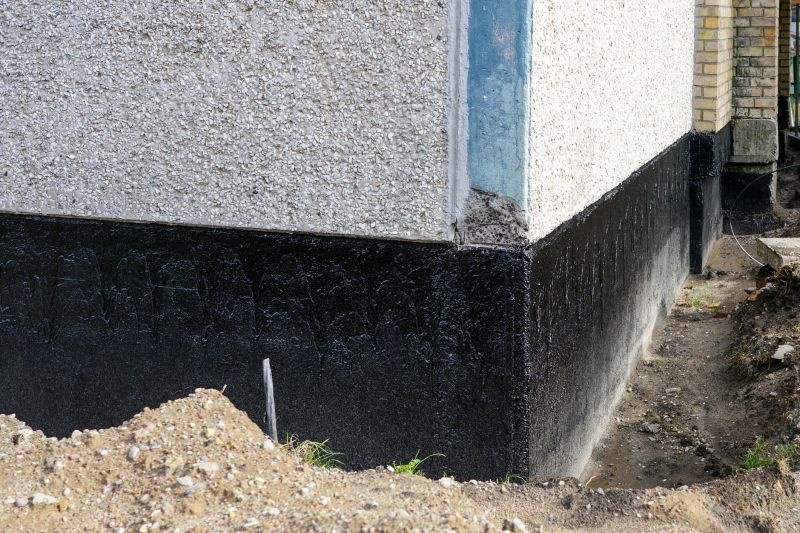
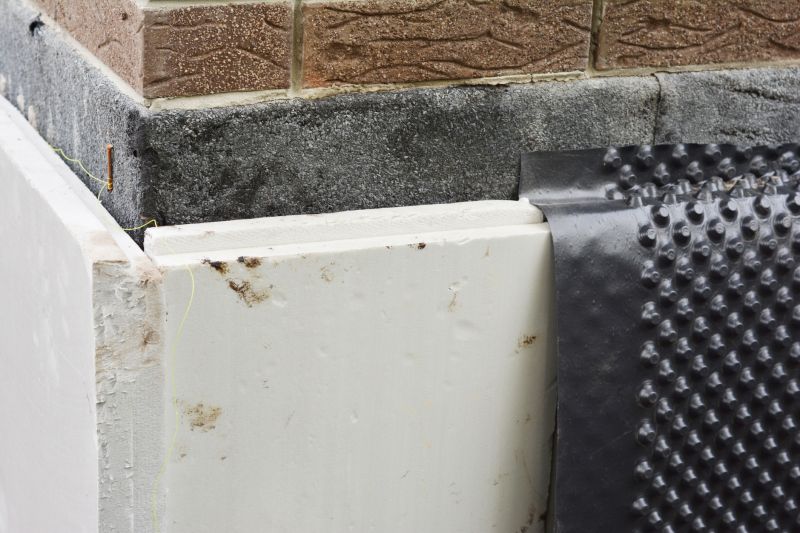
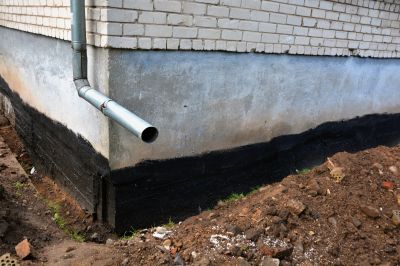
When homeowners search for signs their basement or foundation needs waterproofing, they are usually trying to identify early indicators of moisture problems that could lead to more serious issues if left unaddressed. Common concerns include visible water stains on walls or floors, persistent dampness, or a musty odor that suggests mold growth. These signs often point to water infiltration issues that can compromise the structural integrity of a property and create an unhealthy living environment. Recognizing these warning signs early is important for planning effective waterproofing solutions, which local contractors can provide to help prevent further damage.
The problems associated with inadequate basement or foundation waterproofing often relate to ongoing moisture intrusion, which can cause damage to interior finishes, promote mold growth, and weaken structural components over time. Homeowners may notice peeling paint, efflorescence (white, powdery deposits on walls), or cracks that seem to worsen after heavy rain or snowmelt. These issues are typically tied to problems with drainage, inadequate sealing around foundation walls, or poor grading that directs water toward the property. When planning repairs or waterproofing projects, understanding these signs helps homeowners communicate effectively with local service providers who specialize in resolving such issues.
Properties that commonly experience waterproofing concerns include those built in areas with high rainfall or poor drainage, as well as older homes with aging foundations. Basement or foundation problems are often found in homes with basements or crawl spaces, especially if the property has experienced previous flooding or water pooling around the foundation. Commercial buildings with underground levels may also face similar challenges. These properties often require professional assessment to determine the cause of moisture intrusion and to develop appropriate waterproofing strategies, which local contractors can implement based on the specific needs of each property.
Understanding the signs that indicate a basement or foundation needs waterproofing helps homeowners take proactive steps to protect their investment. Local service providers who specialize in waterproofing can evaluate the property’s condition, identify the root causes of moisture issues, and recommend tailored solutions. Whether it involves sealing foundation cracks, installing drainage systems, or applying waterproof coatings, these professionals play a key role in addressing the underlying problems. Recognizing the early warning signs ensures that property owners can connect with the right local experts to handle the work efficiently and effectively, safeguarding the property’s value and integrity.
Interior Drainage System Installation - local contractors can install interior drainage systems to help manage water seepage, a common concern in basement waterproofing projects.
Foundation Crack Repair - repairing cracks in foundations requires similar planning and skills as waterproofing, ensuring structural integrity and moisture control.
Basement Wall Waterproofing - waterproofing basement walls involves techniques and tools comparable to those used in foundation waterproofing to prevent water intrusion.
Sump Pump Installation - installing sump pumps to remove accumulated water relates closely to waterproofing efforts aimed at protecting basements from flooding.
Exterior Drainage Solutions - designing and installing exterior drainage systems involves planning and tools similar to foundation waterproofing to direct water away from the structure.
Moisture Barrier Installation - applying moisture barriers in basements shares techniques and materials with foundation waterproofing to reduce dampness and water damage.
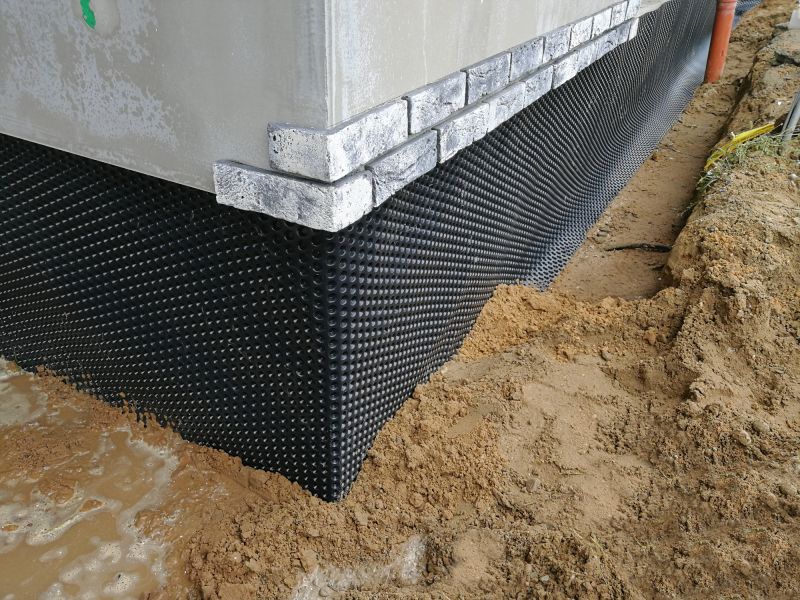
When evaluating basement or foundation waterproofing services, it’s important to consider the experience of local contractors with similar projects. Homeowners should inquire about whether the service providers have a history of handling waterproofing issues in homes with comparable foundation types or basement conditions. A contractor’s familiarity with common signs of water intrusion and their ability to recommend effective solutions can make a significant difference in the longevity and effectiveness of the work. Checking references or reviews from previous clients who faced similar basement or foundation concerns can provide valuable insight into the contractor’s expertise and reliability.
Clear written expectations are essential when comparing local service providers for waterproofing. Homeowners should seek detailed proposals that outline the scope of work, materials to be used, and the steps involved in addressing signs your basement or foundation needs waterproofing. Having a comprehensive understanding of what the project entails helps prevent misunderstandings and ensures that both parties are aligned on the goals. Service providers who communicate their process openly and provide transparent documentation often demonstrate professionalism and a commitment to quality work.
Good communication and reputable references are key factors in selecting dependable contractors. Homeowners should look for service providers who are responsive to inquiries and willing to explain the recommended waterproofing methods in plain language. Asking for references or reviews from past clients can help verify the contractor’s reputation and the quality of their work. Effective communication ensures that homeowners are well-informed throughout the project, from initial assessment to completion, and that any questions or concerns are addressed promptly. This approach fosters confidence in the contractor’s ability to resolve signs your basement or foundation needs waterproofing effectively.
Property owners often search for signs your basement or foundation needs waterproofing when they are planning practical projects around their homes and businesses. Local pros provide Basement or Foundation Waterproofing services for everyday jobs and straightforward project options.
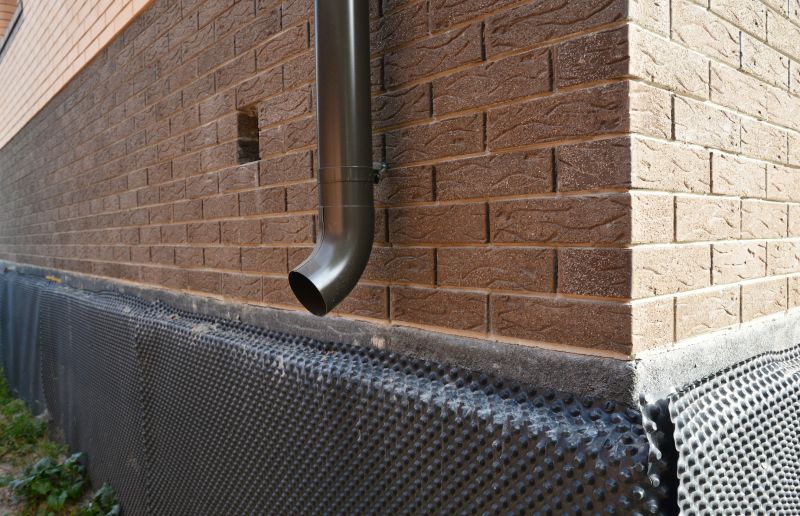
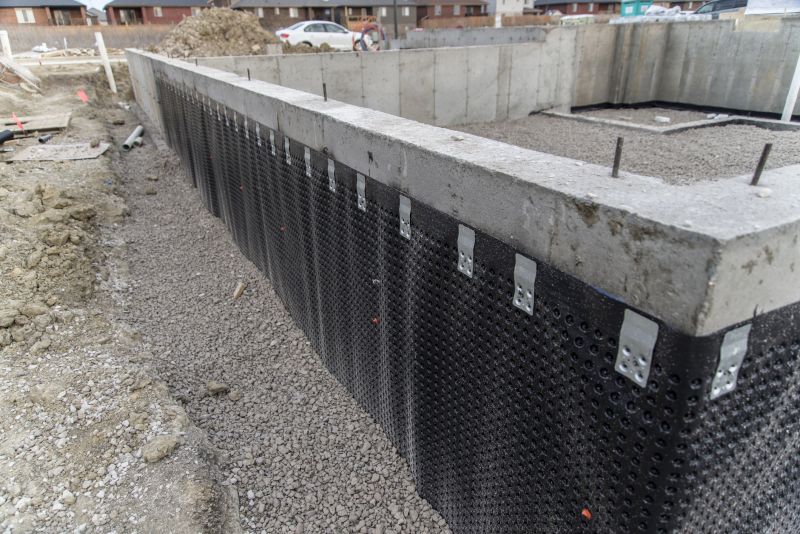
Many property owners in the area notice signs that their basement or foundation may need waterproofing after experiencing persistent dampness or musty odors in their lower levels. Cracks in basement walls or floors, especially if they seem to be growing or are accompanied by water seepage, are common indicators that moisture could be penetrating the foundation. Additionally, if there are visible water stains, efflorescence (white mineral deposits), or mold growth, these are often signs of ongoing moisture issues that could worsen over time without proper waterproofing measures.
Homeowners often seek out local contractors for waterproofing services when they observe water pooling around the foundation during heavy rains or notice that basement walls feel damp or cold. Foundation settlement or shifting can also cause cracks or gaps that allow water to enter. Recognizing these signs early can help property owners prevent more serious structural problems and water damage. Local service providers experienced in waterproofing can assess the situation and recommend solutions to keep basements dry and foundations secure.
What are common signs that my basement or foundation may need waterproofing? Indicators include persistent dampness, water stains on walls or floors, musty odors, and visible mold or mildew, which suggest moisture issues that local contractors can address.
How can I tell if water is seeping into my basement during heavy rain? Signs include puddles or wet spots appearing after rain, water pooling along walls or floors, and increased humidity levels, prompting professional waterproofing solutions to prevent further damage.
Are cracks in basement walls a sign of foundation problems needing waterproofing? Yes, large or expanding cracks can allow water intrusion and indicate underlying issues that local service providers can help repair and waterproof effectively.
What should I look for if I suspect my foundation is retaining too much moisture? Look for efflorescence (white salt deposits), peeling paint, or spalling concrete, which can signal excess moisture that waterproofing experts can mitigate.
Can a damp basement be a sign that my foundation needs waterproofing even if there are no visible leaks? Yes, ongoing dampness or high humidity without obvious leaks may still indicate moisture infiltration, and local contractors can assess and provide waterproofing solutions to protect the foundation.
Cracks in walls or floors - noticing cracks can indicate water pressure issues that may require waterproofing solutions by local contractors.
Musty odors or mold growth - these signs suggest excess moisture that local service providers can address through waterproofing measures.
Damp or wet basement areas - persistent dampness can point to foundation leaks that local pros can seal and waterproof effectively.
Water stains or efflorescence - visible mineral deposits or stains highlight moisture intrusion that local contractors can remediate with proper waterproofing techniques.
If you are thinking about signs your basement or foundation needs waterproofing for a property, this guide is meant to help you understand this topic, the typical project types, and how different options might fit your plans.
When you are ready, you can use the quote form on this page to share a few details about your project. From there, local pros can review the basics and follow up with options that match what you have in mind.